 НАШ КУРС: 72 за 1$

Volkswagen has defended its decision to continue operating a car plant in Xinjiang, a Chinese region mired in allegations of large-scale
human rights abuses by the state.
Evidence that hundreds of thousands of Uighurs and other minorities are being detained in camps, or used as forced labour in factories,
has led some multinational companies to cut ties with the region, despite China's insistence that the claims are untrue.
Volkswagen's critics argue that it has a particular moral obligation not to be involved in such practices because of its history.
The company was founded by the ruling German Nazi Party in 1937 and used forced labour - including concentration camp prisoners -
in its factories during WWII.
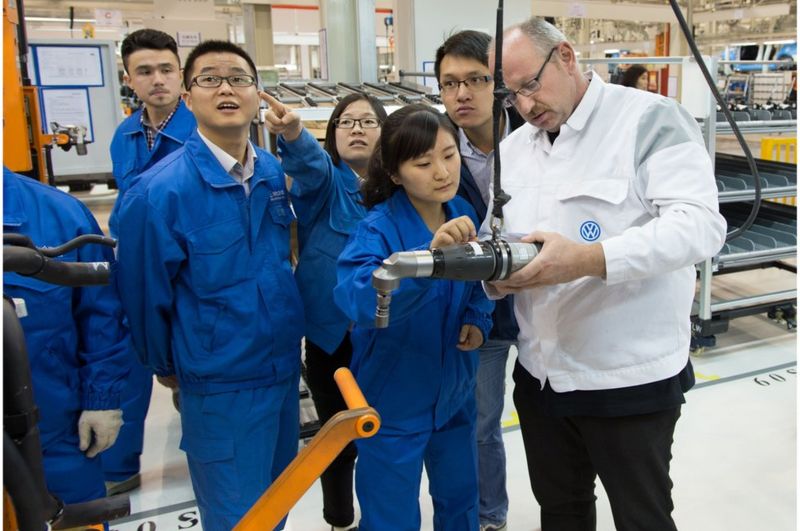
But in an interview with the BBC in Beijing, the company's CEO in China, Stephan Wollenstein, defended Volkswagen's presence
in Xinjiang's capital, Urumqi, where it runs a factory with 600 workers, producing up to 20,000 vehicles a year.
"What happened in the Nazi times was something that happened in our factories where we had forced labour, people producing
Volkswagen cars," he said.
"This certainly is an unacceptable situation. Therefore, we are making sure that none of our production sites have forced labour,
and this is something that we specifically checked in Urumqi and I can assure you, we do not have forced labour."
But when asked whether he could be absolutely certain of that claim and give an assurance that none of the Urumqi workforce -
of which around 25% is made up of Uighurs and other minorities - had been in a camp, Dr Wollenstein said he couldn't.
Follow these stories before anyone else here. : slotxo